
Denuvo vs. The Hypervisor: The “Hypervision” Crack That’s Breaking Zero-Day Protection

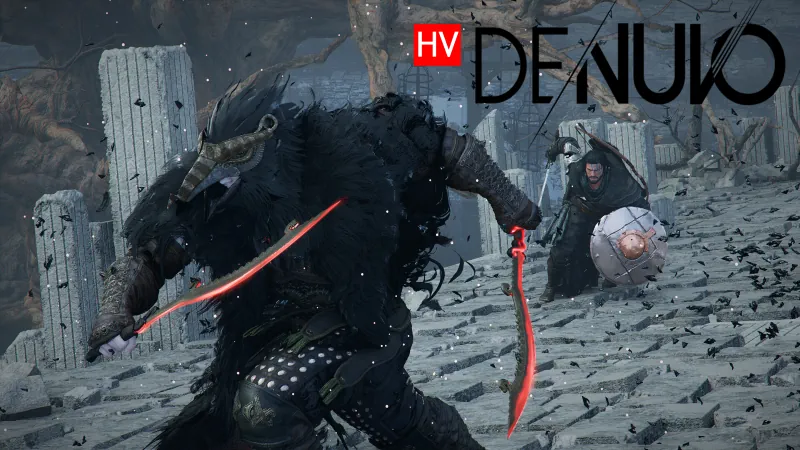
April 6, 2026 — The long-standing war between digital rights management (DRM) giant Denuvo and the piracy scene has reached a fever pitch this month. A new method of bypassing protection, commonly referred to as Hypervisor Bypass (or “Hypervision” in enthusiast circles), has effectively “broken” the promise of zero-day security for several major AAA releases.
The Crack: How Hypervisor Bypass Works
Unlike traditional “cracks” that reverse-engineer Denuvo’s code to remove it, the Hypervisor method takes a “stealth” approach. It runs the game within a thin virtualized layer (a hypervisor), allowing the bypass tool to intercept and manipulate the game’s memory from the outside.
To Denuvo, the system appears legitimate, but the hypervisor is essentially “feeding” it the answers it wants to hear while the game runs without its usual restrictions.
- Recent Victims: High-profile titles like Resident Evil Requiem and Crimson Desert were both bypassed within 24 to 48 hours of their March 2026 releases.
- The Risk Factor: Currently, these bypasses often require users to disable critical Windows security features, such as Driver Signature Enforcement (DSE) and Secure Boot, though cracking groups are reportedly working on “plug-and-play” versions that won’t require compromising OS security.
The Developer Response: Plans to Remove or Renew?
While the piracy community is celebrating what they call “the death of Denuvo,” the industry’s response has been more calculated.
1. Denuvo’s Counter-Offensive
Irdeto, the company behind Denuvo, has officially acknowledged the threat. Representative Daniel Buchegger recently stated that the company is already deploying security system updates specifically designed to detect and block hypervisor-based environments.
“We are working on updates to ensure that games remain protected even against these low-level virtualization tactics. These measures are designed to have zero impact on legitimate player performance.” — Irdeto Statement (March 31, 2026)
2. Are Developers Dropping Subscriptions?
Despite the bypasses, there is no evidence that major publishers like Capcom, Ubisoft, or EA are planning an industry-wide removal of Denuvo. For these companies, the “Initial Sales Window” is the priority; even a crack that takes 48 hours to appear still protects the vital “pre-load” and “hour-one” sales.
However, we are seeing a trend of delayed removals:
- Capcom: Removed Denuvo from Resident Evil 4 Remake and Onimusha 2 recently, but only after they had been on the market for over a year.
- Square Enix: Continues to remove Denuvo from older titles like Just Cause 3 and Forspoken once they reach “legacy” status.
The Performance Conflict
The biggest concern for legitimate gamers isn’t the piracy itself, but the performance overhead. Critics and tech analysts from iXBT Games and OC3D warn that as Denuvo adds more checks to detect hypervisors, the “cat-and-mouse” code could become even more bloated, potentially leading to the stuttering and CPU-heavy issues that have plagued Denuvo titles in the past.
Summary of Current Status
| Feature | Traditional Crack | Hypervisor Bypass |
| Method | Reverse-engineering code | Virtualized memory manipulation |
| Speed | Weeks or Months | Day 1 / Zero-Day |
| System Impact | Clean execution | Requires disabling security features |
| Dev Reaction | Patching exploits | Developing HV-detection updates |
Sources:
- TorrentFreak (April 1, 2026): Game Pirates Beat Denuvo with Hypervisor Bypasses
- DSOGaming (March 6, 2026): Resident Evil Requiem uses five different DRMs on PC
- iXBT Games (March 31, 2026): Developers Start Fighting the Hypervisor


































 Omada
Omada