

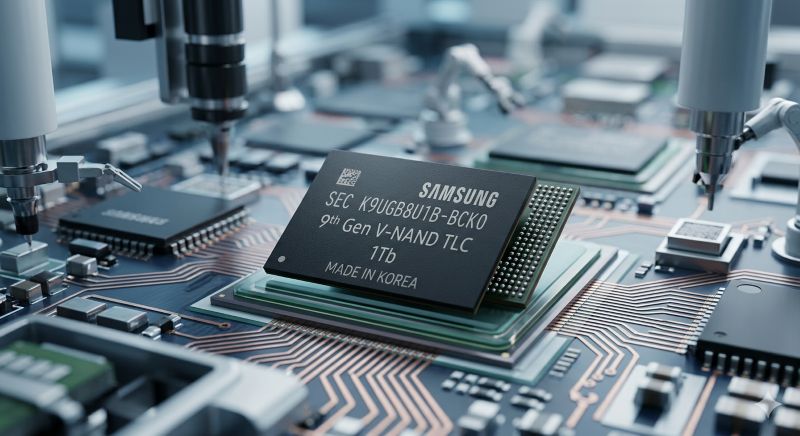
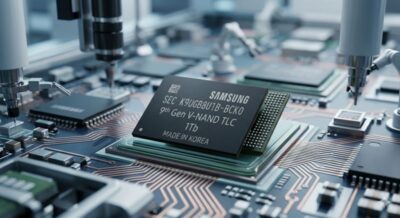
TOKYO/SEOUL — The global tech industry is bracing for a prolonged “RAMmageddon.” According to a recent report by Nikkei Asia, the shortage of memory chips—the critical components that allow devices to store and process data—is expected to persist until at least 2027 as the world’s leading chipmakers pivot their resources toward the lucrative artificial intelligence sector.
Industry giants like Samsung Electronics, SK Hynix, and Micron Technology are currently locked in a race to expand production. However, analysts warn that even with billions in fresh investment, DRAM (Dynamic Random Access Memory) production is on track to meet only about 60% of total global demand over the next three years.
The AI Squeeze
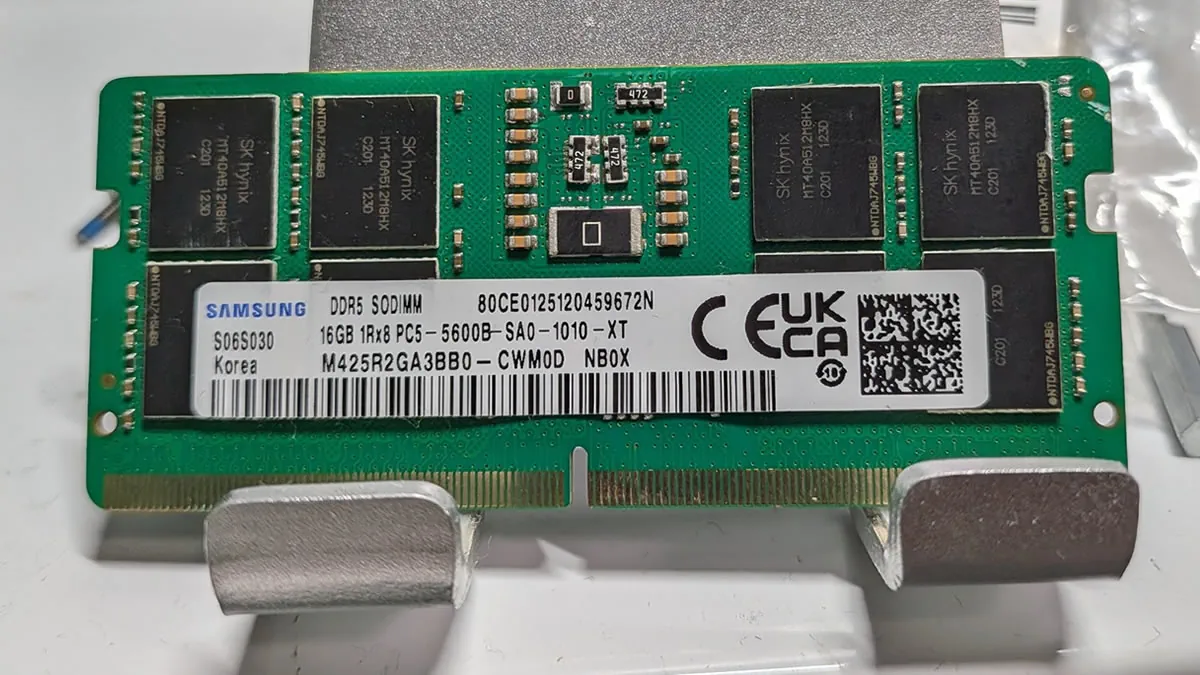
The primary driver of this crunch is the explosive demand for High Bandwidth Memory (HBM), a premium type of chip essential for powering AI servers and data centers. Because HBM is significantly more profitable than the standard DDR5 memory found in personal computers and smartphones, manufacturers are aggressively reallocating their production lines.
This shift is leaving “traditional” sectors in the lurch. While AI infrastructure absorbs the lion’s share of new capacity, consumer electronics brands are finding themselves starved for components.
Higher Prices for Consumers
For the average consumer, this supply-demand imbalance translates to one thing: a more expensive bill. Experts predict that by mid-2026, memory could account for up to 40% of the manufacturing cost for low-end smartphones—a massive jump from the typical 20%.
“We are entering a structural scarcity phase,” noted industry analysts. If you’ve been waiting for prices to drop on laptops or tablets, you may be out of luck. Brands are already being forced to choose between raising retail prices or “downgrading” the specs of their devices to keep costs manageable.
No Quick Fix
Building the factories (or “fabs”) needed to solve the crisis is not a fast process. A new semiconductor facility typically takes between two to five years to become fully operational. This means that even though Samsung and SK Hynix are breaking ground on new projects today, the “relief” they provide won’t hit the market until 2028 or later.
Some industry leaders are even more pessimistic. SK Hynix Chairman Chey Tae-won recently warned that wafer constraints—the base material for all chips—could extend the shortage as far as 2030. For now, the “Golden Age” of memory companies is here, but for the rest of the tech world, the squeeze is only just beginning.































 Omada
Omada