
The 5090 Killer? New Zeus GPU Promises 5x Path Tracing Performance at Just 250W

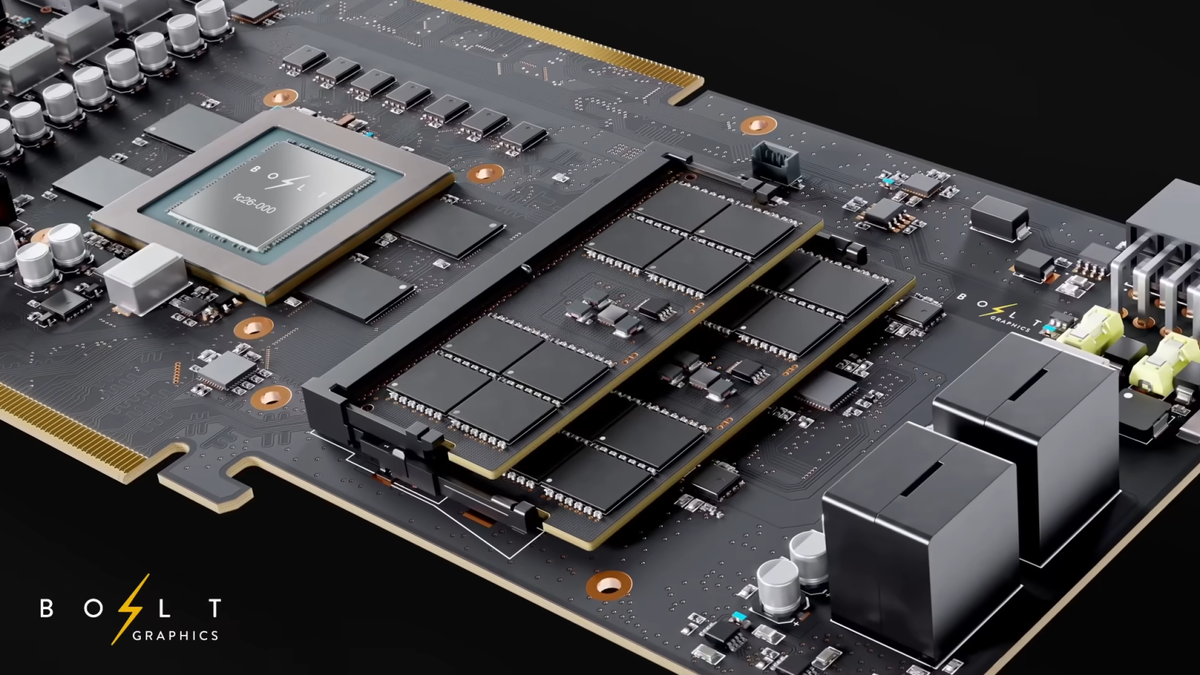
Bolt Graphics Completes ‘Zeus’ GPU Design: Claims 5x Faster Path Tracing Than RTX 5090 at Half the Power
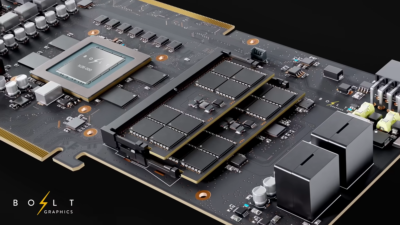
The high-end GPU market may be about to get a serious shake-up from an unexpected challenger. Bolt Graphics has officially announced the “tape-out” (the completion of the design phase) for its new Zeus GPU, and the performance claims are nothing short of staggering.
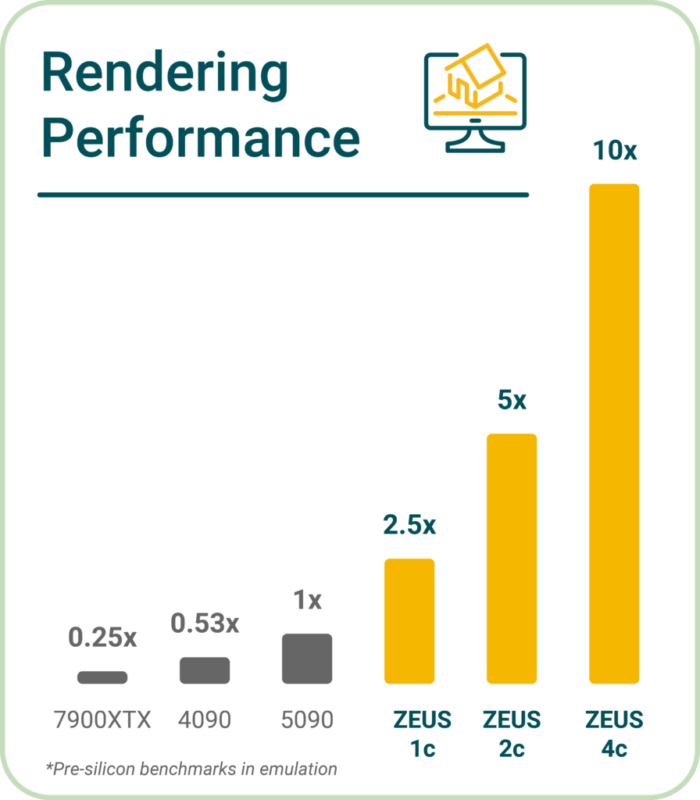
According to the company, the Zeus architecture is designed specifically to handle path tracing—the most demanding form of ray tracing—at speeds far exceeding current and upcoming industry leaders. Most notably, Bolt Graphics claims that Zeus will be five times faster at path tracing than NVIDIA’s upcoming flagship, the GeForce RTX 5090.
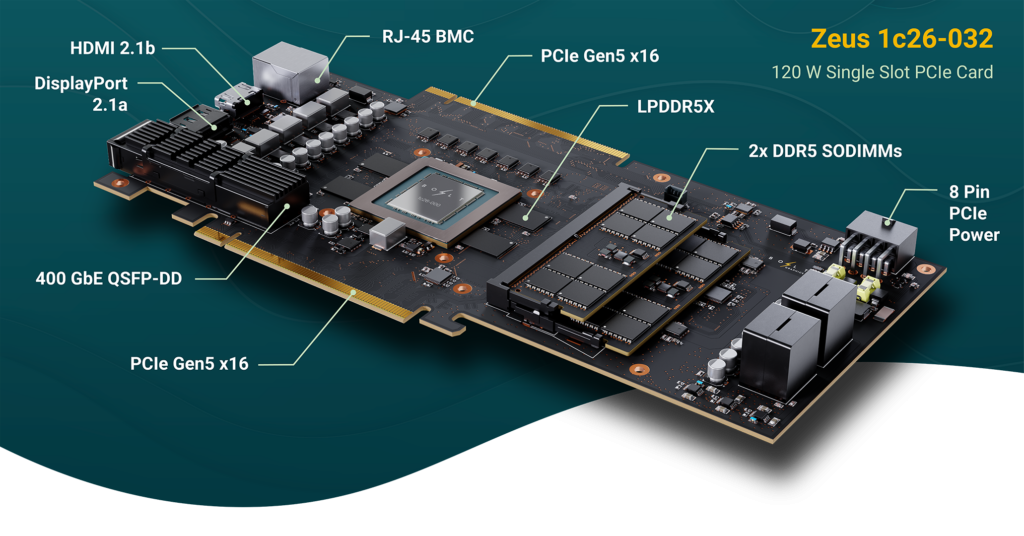
Power Efficiency is the Secret Sauce
While the raw performance jump is the headline, the efficiency figures are what have caught the industry’s attention. NVIDIA’s RTX 5090 is rumored to be a power-hungry beast, with some reports suggesting a total board power (TBP) of up to 600W.
In contrast, Bolt Graphics says Zeus achieves its 5x performance lead while drawing only 250W. If these numbers hold up in real-world testing, it would represent a massive leap in performance-per-watt, potentially solving one of the biggest hurdles in modern high-end graphics: heat and power consumption.
A Dedicated Path-Tracing Engine
The “Zeus” isn’t a traditional general-purpose GPU in the way we think of AMD or NVIDIA cards. Instead, it is a hardware-accelerated path-tracing engine. By focusing specifically on the math required for realistic lighting, shadows, and reflections, Bolt Graphics believes they have found a way to bypass the “brute force” method currently used by mainstream cards.
Path tracing has long been considered the “Holy Grail” of computer graphics, but it is so computationally expensive that even the best modern cards have to use upscaling (like DLSS or FSR) to run it at high frame rates. Bolt Graphics aims to make native path tracing the standard.
Who is Bolt Graphics?
While the company might be a new name to many, its leadership has deep roots in the industry. The company is led by CEO Darren McPhee, a former executive at AMD and ATI. That pedigree suggests that the Zeus GPU isn’t just “vaporware,” but a project backed by decades of experience in chip design.
When Can We See It?
Now that the design is finalized and the chip has “taped out,” the next step is manufacturing. Bolt Graphics expects to have silicon samples ready for testing in 2025.
While it remains to be seen if Bolt will target the consumer gaming market directly or focus on professional visualization and data centers, the mere existence of this architecture puts NVIDIA and AMD on notice. If a 250W card can truly outperform a 600W flagship by fivefold, the future of gaming graphics is about to get very interesting.





































 Omada
Omada